


NCKU Professors Receive National Chair Professorship and Academic Award
Text by NCKU Center for Teaching and learning development Photos by NCKU News Center
Two National Cheng Kung University (NCKU) chair professors have received national academic honors, as the Ministry of Education (MOE) announced the recipients of the 30th National Chair Professorships and the 70th Academic Awards. Yeau-Ren Jeng, Chair Professor in the Department of Biomedical Engineering, received the National Chair Professorship in the Engineering and Applied Sciences category for leading an interdisciplinary research team and translating research findings into industrial applications. Chen-Sheng Yeh, Chair Professor in the Department of Chemistry, received the Academic Award in the Mathematics and Natural Sciences category for his internationally recognized interdisciplinary research spanning chemistry, nanomaterials, and biomedicine. The awards mark significant milestones in both professors' academic careers and highlight NCKU's strengths in interdisciplinary research, academic innovation, and talent development.
The MOE established the National Chair Professorship to recognize academic excellence, enhance the quality of teaching and research, and encourage universities to develop their distinctive strengths. This year, 10 scholars were selected for the National Chair Professorship in recognition of their sustained contributions to research and teaching, distinguished academic reputations, and leadership in advancing scholarship. The 70th Academic Awards recognized 16 scholars for their significant contributions and outstanding research achievements. The MOE plans to hold the award ceremony at the Regent Taipei in March 2027.
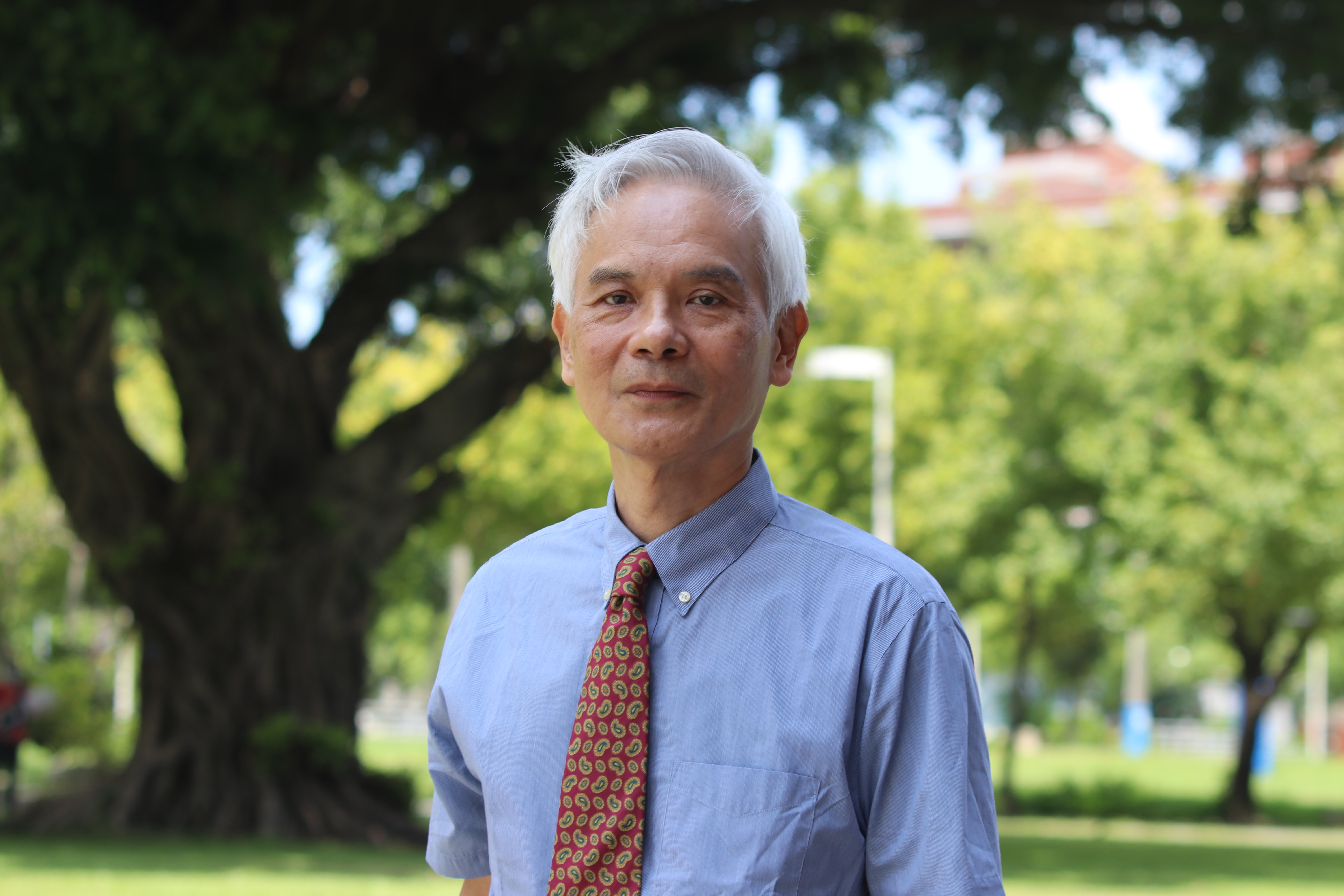
Yeau-Ren Jeng, Chair Professor
Yeau-Ren Jeng, who has made significant contributions to academic research and industry collaboration, previously received the National Chair Professorship in its 27th round and has been honored again this year.
Jeng specializes in tribology, micromechanics, sustainable smart manufacturing, and biomaterials. An internationally recognized pioneer in tribology, he has developed multiscale approaches and interdisciplinary research methods with applications in manufacturing, precision metrology, thin-film coatings, and biomaterials. His research team brings together outstanding graduate students and researchers from Europe, Asia, and Africa, contributing to the development of internationally competitive research talent. He has also established research collaborations with institutions in the United States, Canada, the Czech Republic, Slovakia, and Austria, extending the international reach and societal impact of higher education.
Among his major research achievements, Jeng has pioneered techniques for measuring physical, mechanical, and tribological properties at the micro- and nanoscale. The U.S. Air Force Office of Scientific Research (AFOSR) has long drawn on his expertise in nanomechanics and nanoscale metrology, contributing to the development of exceptionally high-resolution techniques for measuring material wear. In green lubrication research, his team has developed self-healing tribofilms using carbon captured through photosynthesis. His research on multilayer nanostructured hard coatings has also advanced cutting-tool coating technologies for sustainable manufacturing. In biomaterials research, his team has made pioneering contributions to measuring the nanomechanical properties of fluoride-containing materials.
Beyond fundamental research, Jeng has made substantial contributions to industrial applications. His knowledge of metal cutting for high-value materials has generated significant added value for the coating-equipment and cutting-tool industries. By integrating nanoscale measurement technologies with expertise in quantum mechanics and industrial big data from AC2T (Austrian Excellence Center for Tribology), his research supports the development of Taiwan's strategic industries. His work has also contributed to the development of advanced smart machine tools equipped with remote monitoring capabilities and metal-cutting knowledge bases. In addition, his research has helped identify opportunities that balance environmental protection with economic development, supported technological advances in precision medicine, and provided insights into the future development of Taiwan's smart manufacturing sector.
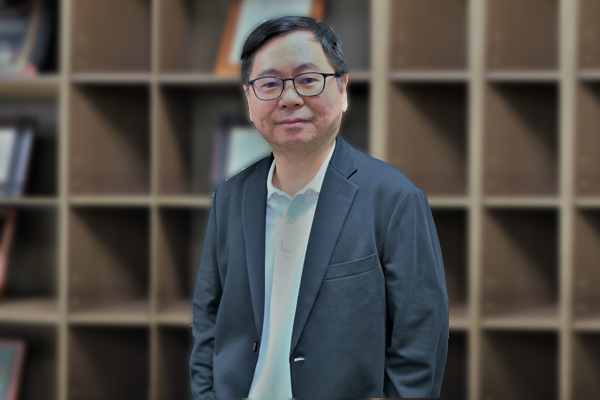
Chen-Sheng Yeh, Chair Professor
According to university records dating back to the 49th Academic Awards, Chen-Sheng Yeh is the first NCKU faculty member to receive the Academic Award in the Mathematics and Natural Sciences category.
Yeh specializes in physical chemistry, nanomaterial synthesis, and nanomedicine. Since joining NCKU's Department of Chemistry in 1995, he has focused on the synthesis, physicochemical properties, and biomedical applications of nanomaterials, extending fundamental chemistry research into cancer treatment, medical imaging, and wound healing. For more than three decades, his research has been guided by the goal of applying innovations in basic science to address real-world medical challenges and developing original nanomedicine technologies with potential clinical applications.
In recent years, Yeh's research team has introduced an innovative approach combining electrons and nanoparticles. By controlling electron transfer between nanomaterials and biological systems, the team has developed new approaches to cancer treatment and molecular diagnosis based on novel mechanisms of action. Their findings have been published in leading international journals, including Nature Nanotechnology, Nature Communications, and Advanced Materials.
In a 2023 study published in Nature Nanotechnology, the team combined electroactive bacterial membranes capable of transferring electrons with titanium dioxide nanoparticles. Through X-ray excitation and electron transfer, the system generated reactive oxygen species that suppressed cancer cell growth. The findings opened a new research direction for the use of nanomaterials in radiotherapy-assisted cancer treatment.
A 2025 study published in Nature Communications introduced a different strategy for cancer treatment. The team developed Au@MIL, a nanomaterial combining gold nanoparticles with electroactive membranes, enabling the nanoparticles to act as electron acceptors that draw electrons from cancer cells. By disrupting the cells' redox balance and energy metabolism, this approach induces cancer cell death. Unlike conventional approaches that rely on generating large amounts of reactive oxygen species, the technology has demonstrated therapeutic potential even under hypoxic (low-oxygen) conditions, offering a promising new direction for cancer treatment research.
The research team is also exploring applications of this technology to treat tumors in dogs and cats, with the aim of translating fundamental research findings into clinical applications and commercialization.
These two national academic honors recognize the professors' outstanding research achievements and reflect NCKU's long-standing commitment to interdisciplinary research, innovation, and talent development. NCKU will continue to strengthen interdisciplinary collaboration, expand the practical applications of research findings, and contribute to social and technological advancement.

